


Tiny Wood Stove
Build My Kit
Get Help
Get in touch with any questions and we can help you get your project moving.
Back to the Kit Builder"*" indicates required fields
 Version 8.0.5
Build My Kit
Ready to plan your wood stove setup?
Pick the step that fits where you are.
Just starting your research?
Take our quick Stove Assessment Quiz to find out which stove fits your space and goals.
Planning your flue system?
Download the Planning Worksheet to gather key measurements before building your kit.
Ready to build your kit?
If you've got your stove choice and measurements ready (or just want to estimate costs), jump in below.
Choose your Stove
Use this chart to determine the appropriate stove for your space.
Choose your Square footage and then match your Coldest Winter Temperature in the matrix below.
Sizing tips
- The chart is based on good insulation and a 10' ceiling; consider a larger stove for drafty or poorly insulated spaces.
- Users who sleep cool may let the fire burn down overnight; for consistent warmth, opt for a larger stove or reload it early.
- Stove size varies based on insulation, supplemental heat, and personal comfort; use the chart as a guide but choose based on your needs.
> Dwarf 5 kW
The Dwarf 5kW is a good choice for your space if you have another heat source, and want a stove for supplemental heat and ambiance. Our largest stove won't be big enough to serve as your primary heat source through the coldest part of the Winter.
Dwarf 5 kW

The Dwarf 5kW is our largest small stove, and is the best fit for larger tiny spaces and colder climates.
Dwarf 4 kW

The Dwarf 4kW is our medium sized small stove. It's a great fit for medium sized tiny spaces, and larger spaces in milder climates. Consider 5kW if poorly insulated or tall ceilings.
Dwarf 3 kW

The Dwarf 3kW is our smallest stove. It's a great fit for very small spaces, and medium sized spaces in milder climates. Consider 4kW if poorly insulated or tall ceilings.
Other Stoves
We offer flue systems for a variety of other stoves. First, determine your stove's flue size (in inches), then select the matching option below:
- Cubic Mini
- Other 3"
- Other 4"
- Other 5"


Will you be using the Dwarf stove-mounted heatshield?
Most small space installs need heat shields for safe clearances. You can build your own or choose our stove- and pipe-mounted shields for a faster, easier installation. Learn more about shield types and clearance requirements


Where will the flue pipe exit your structure?
Choose a roof exit for the best draft and simplest, most efficient install. Just make sure you have clear space above the stove for the pipe to run.
Choose a wall exit if you need to route around lofts or cabinets, but expect more parts, higher cost, and slightly reduced draft.


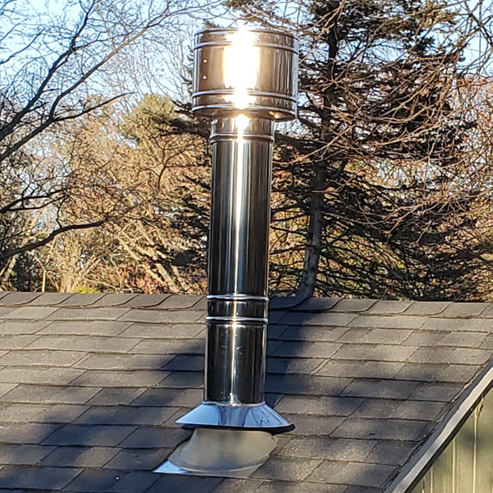
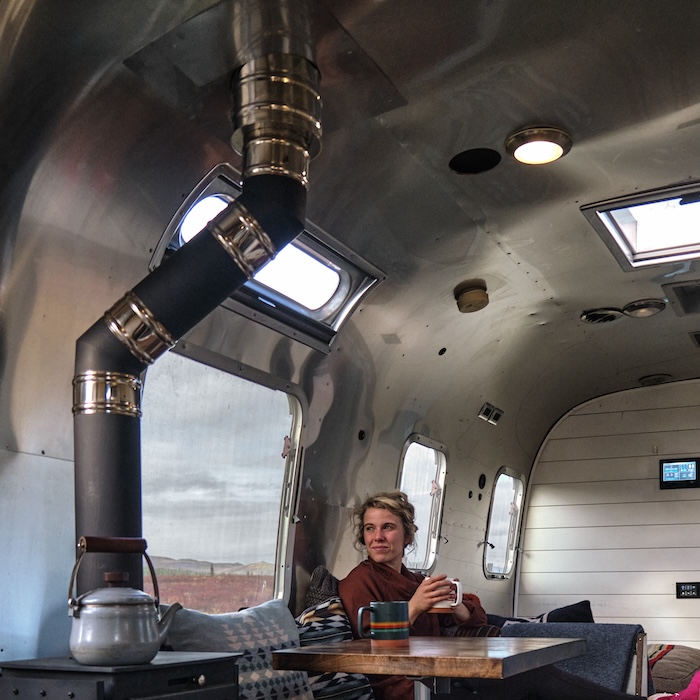
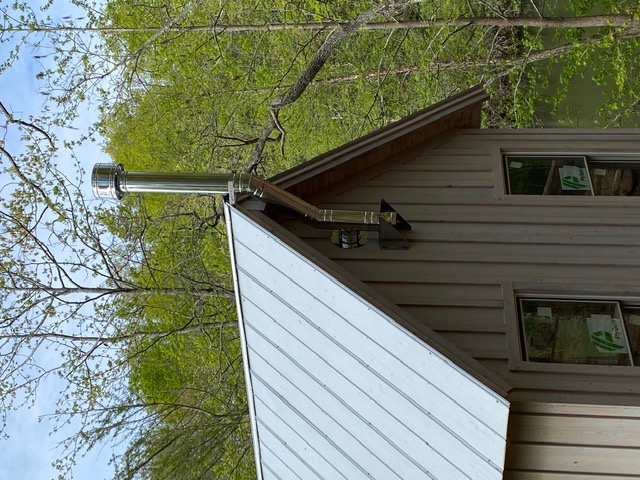
Here’s your installation kit!
| Quantity | Part | Note | |
You can still edit all parts in the cart
Have questions? Our team is happy to help!
Roof Pitch

A pitch of X:12 means that for every 12 horizontal units (inches, feet, etc.) of run, the roof rises X units vertically. This measurement is a ratio describing the steepness of the roof.
For example, a roof with a pitch of 6:12 rises 6 inches for every 12 inches of horizontal distance.
Steeper pitches (higher X values) are more common in areas with heavy rainfall or snow, as they allow for better runoff, while lower pitches are typical in drier regions or modern designs.
Send me the results
"*" indicates required fields
Consult a human
"*" indicates required fields